







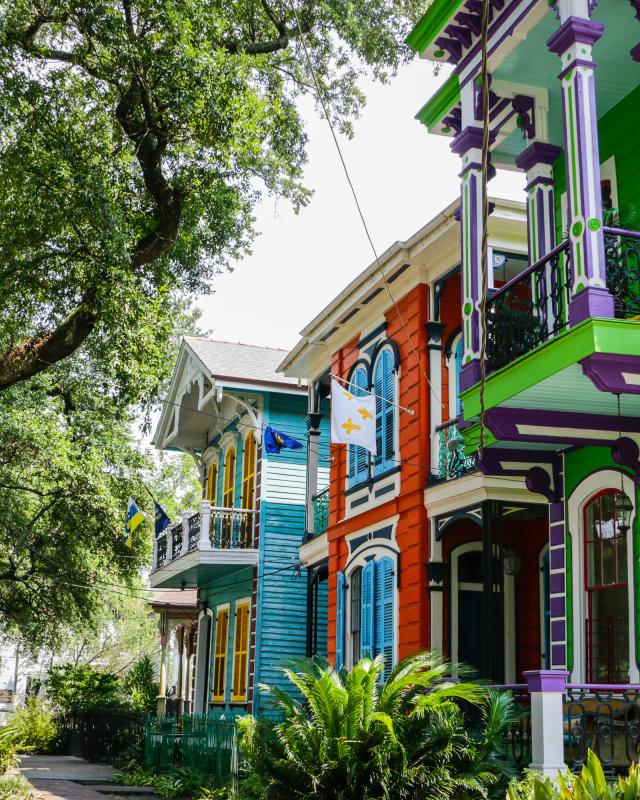

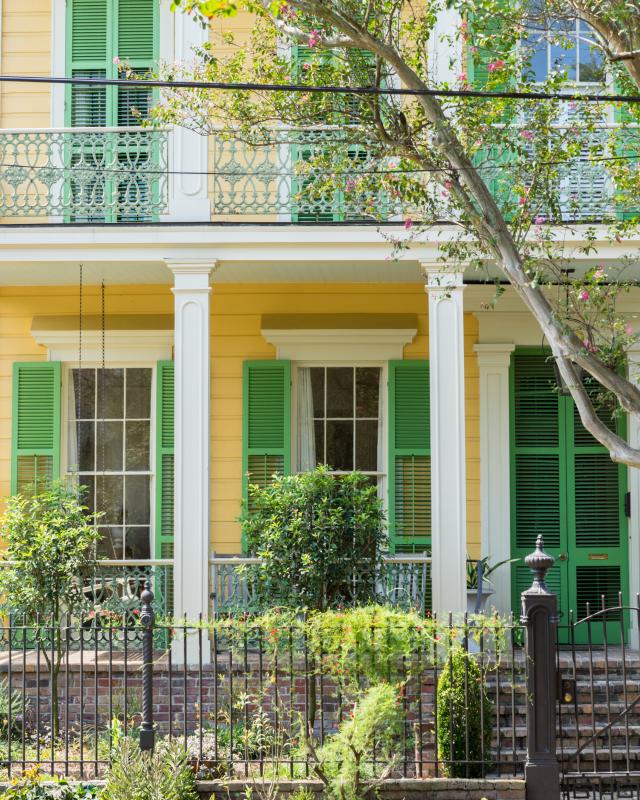
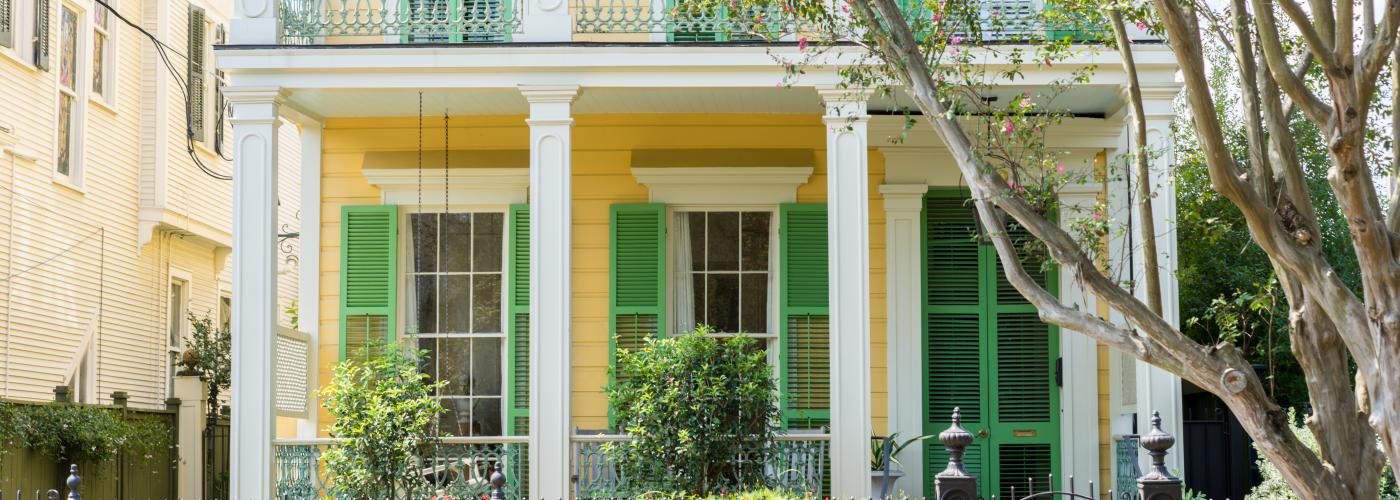
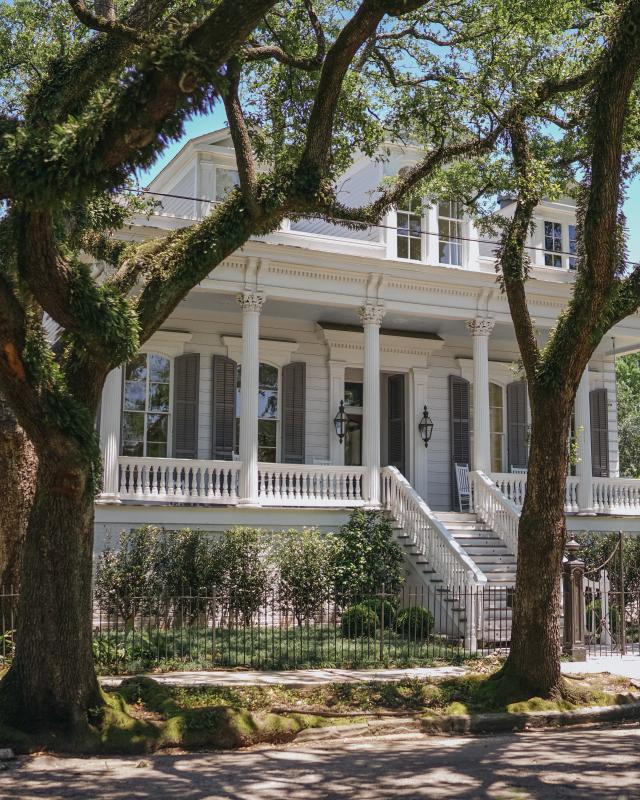
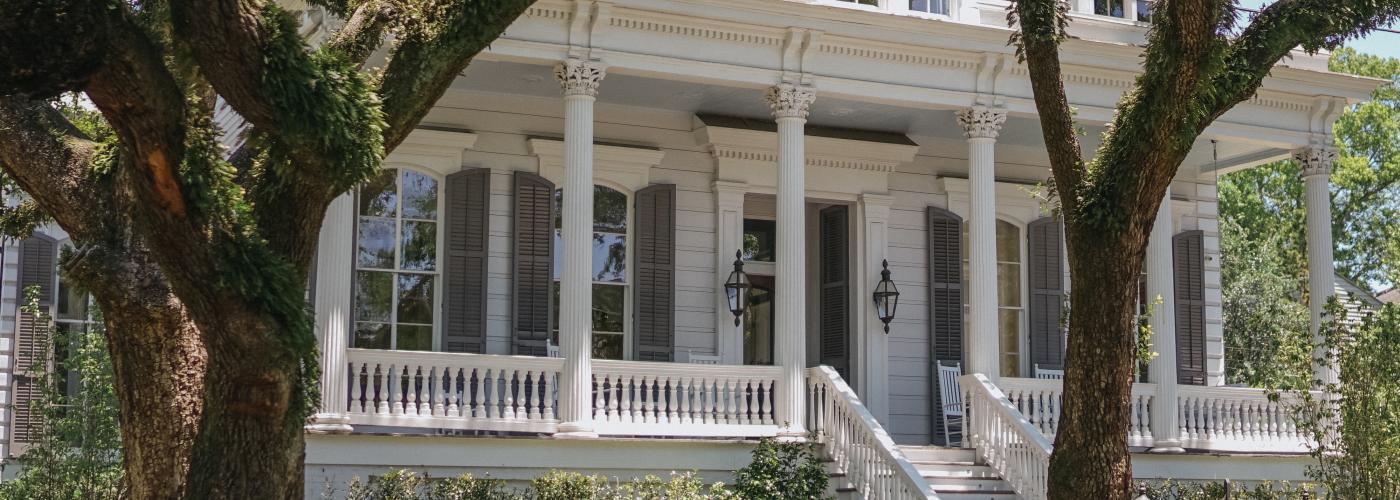
In New Orleans architecture, it’s the little details that make everything so interesting. Before you start exploring the homes on our...


>
x
New Orleans Architecture
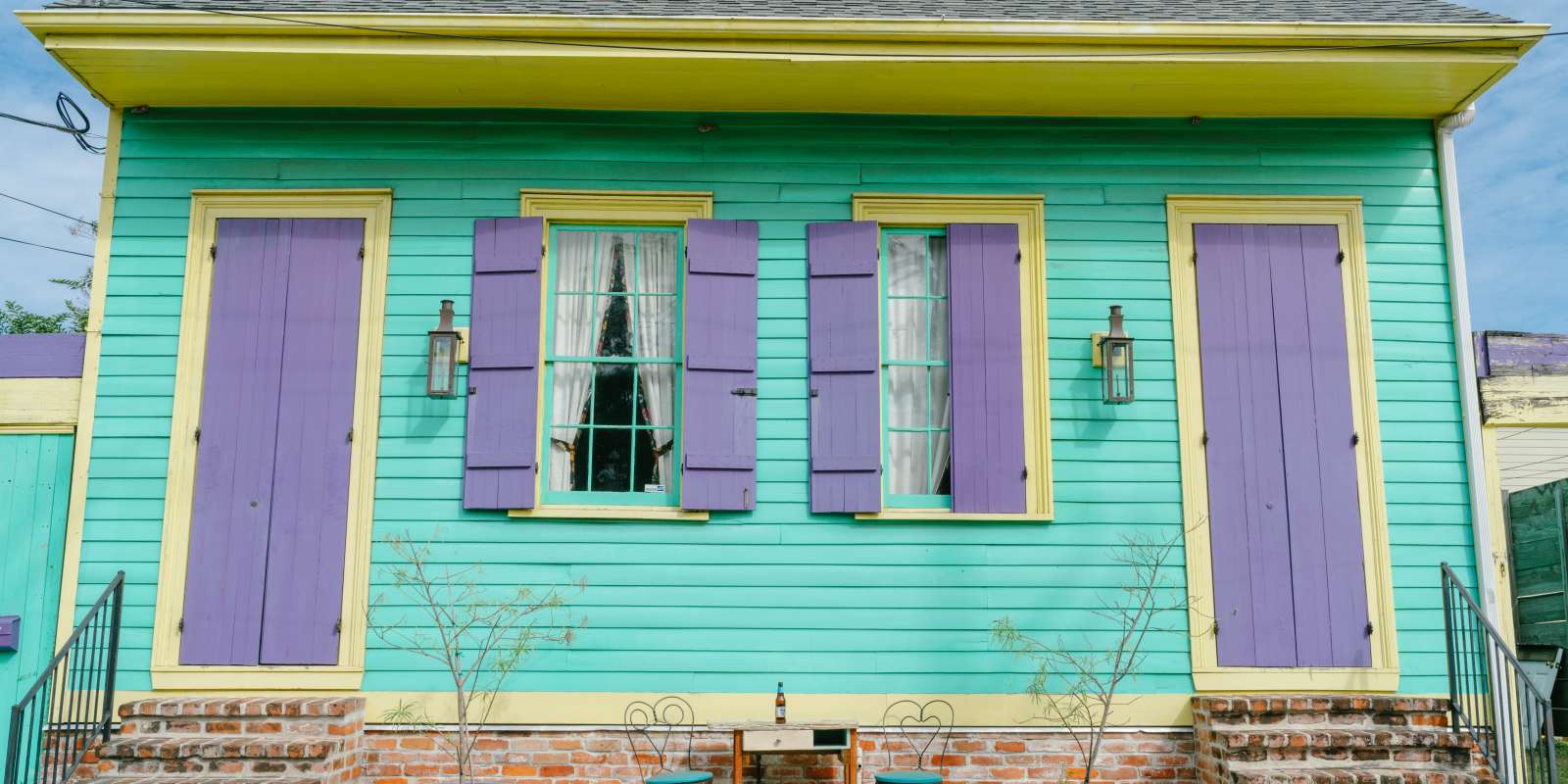
-
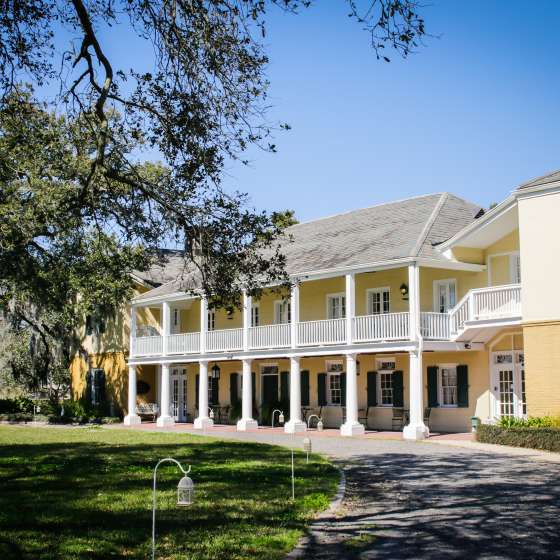
 Each plantation offers its own snapshot into the region’s agrarian history and most are within easy driving distance from New Orleans.Read More
 -
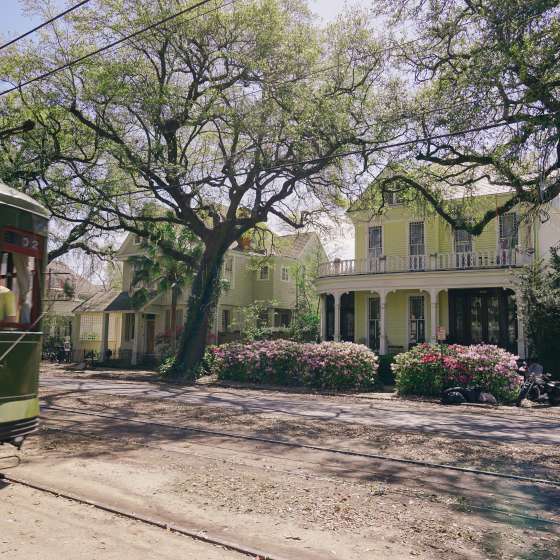 Crowned Uptown by Audubon Park, Loyola and Tulane Universities, dotted with bars and restaurants from divey to divine, St. Charles Avenue is a living monument to yet another aspect of New Orleans...Read More


-
 Come experience enchanting hidden courtyards in the French Quarter alive with color. Visit the famous Botanical Gardens in City Park. Take a walking tour of the Garden District. New Orleans blooms...Read More
 -
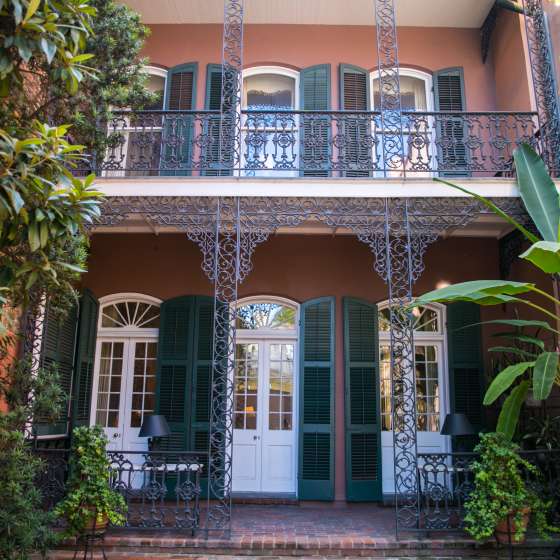 Step over a threshold to the past when you visit one of the many historic New Orleans homes open to the public. These architecturally significant houses are lovingly furnished so you can imagine what...Read More
 -
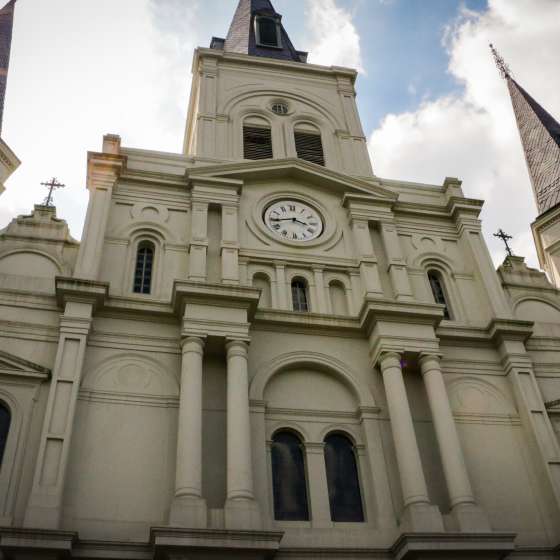 Historic places of worship, whatever their persuasion, tell stories of neighborhoods and the diverse population that has shaped the New Orleans we see today.Read More
 -
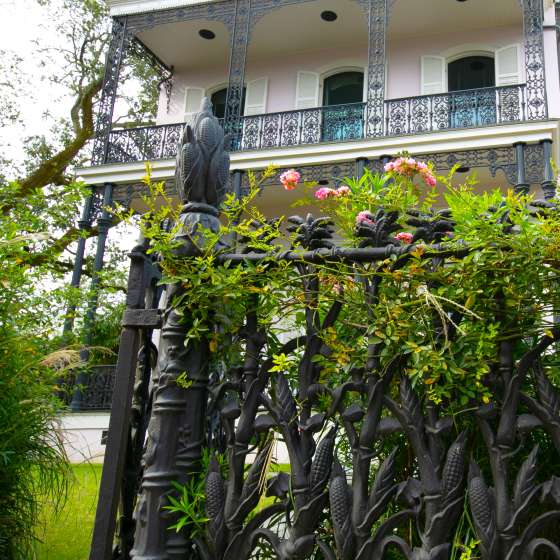 Take yourself on a self-guided tour of some of the most beautiful historic homes in New Orleans.Read More


Videos | New Orleans Architecture



© 2024 Neworleans.com All Rights Reserved.

 FREE E-NEWSLETTER
